
Table of Contents
- What Are Dentures?
- Types of Dentures
- Advantages of Dentures
- How to Care for Your Dentures
- Common Issues and Solutions
- How to Choose the Right Dentist
- Frequently Asked Questions
- Conclusion
What Are Dentures?
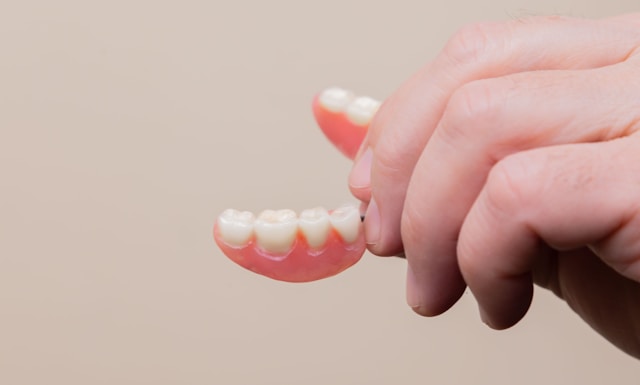
Dentures are personalized substitutes for teeth that are not present, created to help restore both the function and appearance of your smile. They come in different forms, ranging from complete sets to partial solutions that fill gaps left by missing teeth.
Aside from their practical benefits, dentures can also significantly enhance facial structure. They help support the lips and cheeks, preventing the sunken look that often comes from missing teeth. This can significantly boost an individual’s confidence and quality of life. Furthermore, dentures can protect any remaining teeth from shifting, maintaining a balanced oral structure.
Types of Dentures
- Complete Dentures: These are used when all teeth are missing. They rest on the gums and can be removed for cleaning. Generally, complete dentures consist of a gum-colored acrylic base that fits over your gums. The upper denture covers the roof of your mouth, whereas the lower denture is shaped like a horseshoe to accommodate your tongue. For those considering dentures or other forms of dental restoration like fillings Bel Air MD, understanding the options available is crucial.
- Partial Dentures: These are utilized in cases where there are still some natural teeth present. They are typically secured in position using metal clasps or precise attachments. Partial dentures generally include false teeth secured to a pink or gum-colored plastic base, often linked by a metal structure that keeps the denture in place in the mouth.
- Implant-Supported Dentures: These are anchored to dental implants, providing a more stable and comfortable fit. These are often chosen by people who have enough bone to support implants. They have special attachments that snap onto the implants. Unlike regular dentures that may move around, these have a more secure fit.
Advantages of Dentures
Dentures offer numerous benefits, such as restoring the ability to chew and speak correctly, improving facial appearance, and boosting self-confidence. For instance, well-fitting dentures can reduce the signs of aging by supporting facial muscles. According to an article from Healthline, they can also aid in maintaining the remaining teeth in their proper position.
Another significant advantage of dentures is their improved functionality. They make it easier to eat a balanced diet, which is essential for overall health. With the right fit, dentures can mimic the natural actions of teeth, making chewing and biting feel more normal. Improved speech is another benefit. Missing teeth can affect how you pronounce words, but dentures fill those gaps, helping you speak more clearly. These benefits make dentures important for those with significant tooth loss.
How to Care for Your Dentures
Proper care is essential to maintain the longevity and functionality of your dentures. Here are some tips:
- Daily Cleaning: Remove dentures and rinse them before brushing. Avoid scratches by using a gentle cleaner and a soft brush. Stay away from traditional toothpaste, as it may be overly harsh on your teeth. Also, clean your mouth, including gums, cheeks, tongue, and the roof of your mouth, every morning before you put in your dentures.
- Storage: When not in use, soak your dentures in water or a mild denture solution to keep them moist and pliable. Failure to do so can cause them to lose their shape. Do not use hot water, as it can warp the dentures. Ensuring they are correctly stored prevents them from drying out and becoming brittle.
- Regular Check-Ups: Visit your dentist for regular adjustments and to check for any issues that need addressing. Over time, the shape of your gums and the bone structure in your mouth may change, affecting the fit of your dentures. Regular check-ups ensure that your dentures fit well and function properly, minimizing the risk of irritation and discomfort.
Common Issues and Solutions
While dentures are beneficial, they can present certain challenges, such as discomfort, slippage, and difficulty speaking. Adjusting your diet to include softer foods can help initially, as can taking the time to practice speaking. An article from WebMD provides more tips.
You must consult your dentist for adjustments if you face persistent issues like sore spots or if the dentures feel too loose. Temporary discomfort is normal as you get used to wearing dentures, but ongoing pain should not be ignored. Another common issue is the buildup of plaque and tartar on dentures, just like on natural teeth. Regular cleaning and dentist visits can help prevent this. Additionally, products like denture adhesives can provide extra support for those experiencing slippage, giving you added confidence and security throughout the day.
How to Choose the Right Dentist
Selecting a competent dentist is crucial for successful denture fitting. Look for reviews, professional qualifications, and offered services to ensure that you receive high-quality care. Personal consultations can also provide insight into the dentist’s expertise and approach.
Feel free to ask questions about the denture materials and processes. A good dentist will be transparent and willing to explain the steps, ensuring you are comfortable and informed throughout the process. With the right dentist, you’ll feel confident about the care you receive and be more likely to achieve a successful outcome. Community recommendations and online reviews can be reliable sources of information when choosing the right dental professional.
Frequently Asked Questions
- How long do dentures last? Dentures can last 5 to 10 years with proper care before needing replacement. Over time, the denture’s fit may change due to the natural changes in your mouth’s structure.
- Can I sleep with my dentures in? Removing dentures at night is generally recommended to allow your gums to rest. Removing them also allows for cleaning and keeps your mouth healthy.
- Will wearing dentures change my appearance? Dentures can enhance your appearance by filling out your facial structure and improving your smile. They can make you look more youthful and improve your confidence.
Conclusion
Dentures offer a practical and efficient solution for those missing teeth, providing aesthetic and functional benefits. By understanding the types, benefits, and care instructions for dentures, you can make an informed decision that best suits your needs. Regular dental visits and proper maintenance will ensure dentures remain a reliable part of your daily life. Embrace this opportunity to restore not just your smile but also your quality of life.