
Production systems rarely fail because of a single obvious mistake; they fail when small oversights stack up unnoticed. Commissioning tests exist to expose those weak points before equipment is pushed into real-world operation. For any PLC system integrator, commissioning is the stage where design intent meets physical reality and either proves itself or shows where refinement is needed.
Verifying each I/O Point Responds As Designed
Every PLC-controlled system relies on inputs and outputs behaving exactly as expected. Commissioning tests confirm that sensors, switches, valves, motors, and actuators respond correctly to signals sent and received by the controller. This process goes beyond checking whether a signal exists; it confirms that each point matches its documented function and physical location.
Field verification also catches subtle issues like reversed wiring, mislabeled terminals, or incorrect scaling. A PLC programming company that thoroughly tests I/O ensures operators do not face confusing behavior once production begins. Proper I/O validation forms the foundation for reliable system operation.
Catching Logic Faults Before Full Production Starts
PLC programs can appear correct during offline development yet behave differently when connected to live equipment. Commissioning tests expose logic conflicts, unexpected conditions, and missing interlocks under real operating scenarios. These faults are far easier to correct before full production pressure sets in.
Testing logic early prevents rushed fixes later. Custom PLC logic can be refined methodically, ensuring sequences operate smoothly without workarounds. Identifying logic flaws during commissioning protects schedules, budgets, and equipment from unnecessary stress.
Making Sure Safety Interlocks Work Under Load
Safety circuits often function correctly in static tests but behave differently when machines operate under load. Commissioning tests confirm that emergency stops, guards, and interlocks respond instantly even during peak operation. This validation protects both personnel and equipment.
Dynamic testing ensures safety systems override all other commands as designed. PLC programming that accounts for real operating conditions reduces risk and helps facilities meet regulatory requirements. Proper safety validation also builds confidence among operators who rely on these systems daily.
Checking Timing Sequences Match Real World Needs
Timing values that look acceptable on paper may not align with actual machine movement. Commissioning tests allow engineers to observe cycle timing, delays, and transitions while equipment runs at normal speeds. This process highlights where sequences feel rushed or unnecessarily slow.
Adjustments during commissioning fine-tune performance without disrupting production later. A PLC system integrator uses this phase to balance efficiency with mechanical limits. Accurate timing improves throughput while extending component life.
Spotting Wiring Errors Early in the Startup Phase
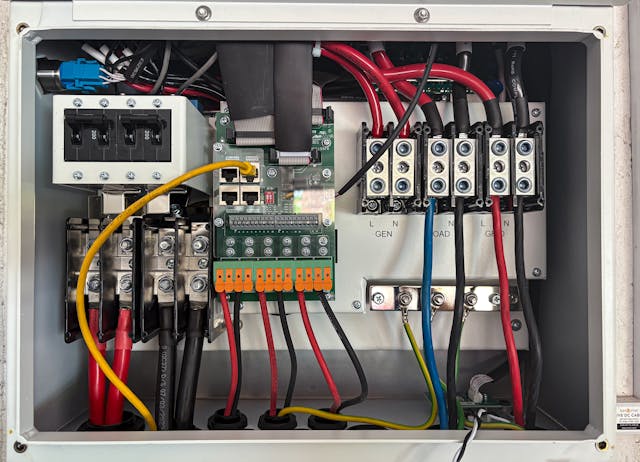
Even well-documented electrical drawings can contain mistakes once installed. Commissioning tests uncover crossed conductors, loose terminations, and incorrect power routing. These issues are common and often invisible until signals are exercised.
Finding wiring errors early prevents damage to devices and control hardware. PLC programming relies on clean electrical signals, and commissioning ensures the physical layer supports the software layer. Early correction avoids downtime that would otherwise occur after startup.
Ensuring Communication Between Devices Stays Solid
Modern control systems depend heavily on networked communication. PLCs exchange data with HMIs, drives, robots, and remote I/O racks. Commissioning tests verify that this communication remains stable under real traffic conditions.
Network testing confirms correct addressing, update rates, and fault recovery. Custom PLC systems that communicate reliably reduce troubleshooting time later. Stable communication also ensures data accuracy for monitoring, reporting, and control decisions.
Confirming PLC Code Handles Every Operational Mode
Many systems operate in more than one mode, such as manual, automatic, maintenance, or recovery. Commissioning tests confirm that transitions between modes are smooth and predictable. Each mode must behave as intended without unintended overlaps.
Testing all operating states reveals gaps that might only appear during unusual conditions. PLC programming that accounts for every mode prevents confusion and unsafe behavior. This level of validation ensures operators can trust the system in all situations.
Testing Alarms so Operators Get Clear Fault Signals
Alarms are only useful if they are accurate and understandable. Commissioning tests verify that alarms trigger at the right time and provide clear information. False alarms or missing alerts create frustration and slow response times. Alarm testing also confirms prioritization and reset behavior. A PLC programming company that refines alarms during commissioning helps operators act quickly and confidently. Clear fault signals reduce downtime and improve maintenance efficiency.
Locking in Performance Before System Goes Live
The final stage of commissioning confirms that the system performs consistently over extended operation. Running full cycles, stress tests, and simulated faults validates stability. This process ensures performance does not degrade once the system is live. Locking in performance before handoff protects long-term reliability. A PLC system integrator uses commissioning results to document final settings and logic states. This documentation becomes a reference for future support and upgrades.
RL Consulting specializes in meeting the needs of each unique customer, supporting projects from early conceptual design through full implementation and long-term system support. Their team works closely with clients to develop practical control strategies, deliver well-structured PLC solutions, and ensure systems perform reliably in real-world conditions. With a focus on adaptability and maintainability, they help operations stay efficient as requirements evolve over time.