Key Takeaways
- Insulated glass is critical in energy-efficient and environmentally responsible building design.
- Advanced technologies now allow for lighter, more insulating multi-pane windows.
- Insulated glass solutions can be tailored for comfort, noise reduction, and occupancy needs.
- Choosing the right insulated glass products ensures lower energy bills and a reduced carbon footprint.
Understanding Insulated Glass
As the push for greener construction practices accelerates worldwide, insulated glass has become an essential component in modern architecture. Engineered to limit heat transfer, insulated glass units (IGUs) help buildings stay warmer in winter and cooler in summer. This reduction in temperature fluctuations means less reliance on heating and cooling systems, making IGUs invaluable for projects aiming to optimize energy performance. For building professionals and homeowners seeking sustainable and effective solutions, insulated glass products offer a range of options that cater to varying requirements and climates.
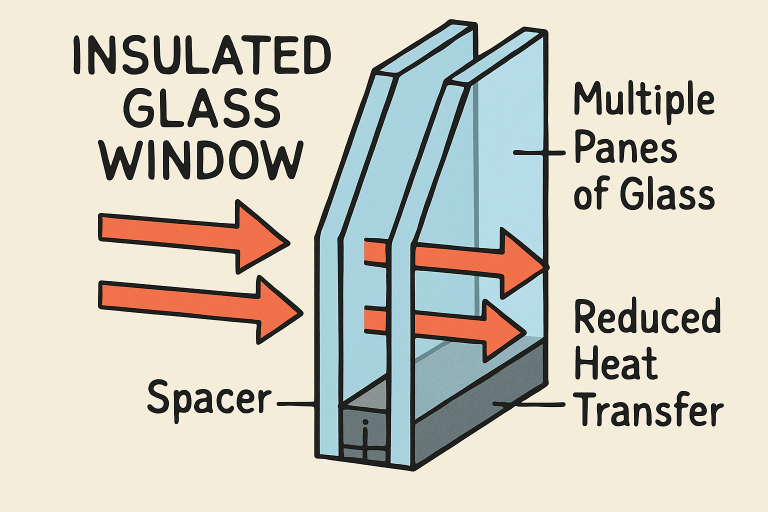
Insulated glass typically consists of two or more panes separated by a spacer, sealed around the edges, which creates an air- or gas-filled cavity. This acts as a thermal barrier, far outperforming single-pane windows, boosting thermal efficiency and providing quieter, more comfortable spaces.
This insulation is crucial for meeting modern energy standards. By reducing heat exchange, insulated glass helps cut energy costs and minimize environmental impact—supporting sustainable design.
IGUs are also adaptable, with coatings and gases such as argon or krypton enhancing their performance. These options offer customization for complex needs. Custom windows can meet specific aesthetic and energy requirements for unique installations.
Advancements in Insulated Glass Technology
In recent years, insulated glass technology has undergone significant advancements, including the development of custom windows that incorporate innovative features. Innovative developments, such as ultra-thin glass, enable the use of triple- or even quad-pane windows with minimal additional weight. This innovation allows for the creation of high-performance windows, including custom windows tailored to specific needs, making them suitable for both commercial skyscrapers and residential projects. This results in improved insulation and daylighting without compromising structural integrity.
Smart glass and low-e (low-emissivity) coatings are also gaining popularity, with new materials that can control solar heat gain and enhance insulation. These technologies are ideal for climates with significant seasonal temperature swings, as they adjust to changing conditions and further boost a building’s sustainability profile.
Applications in Sustainable Construction
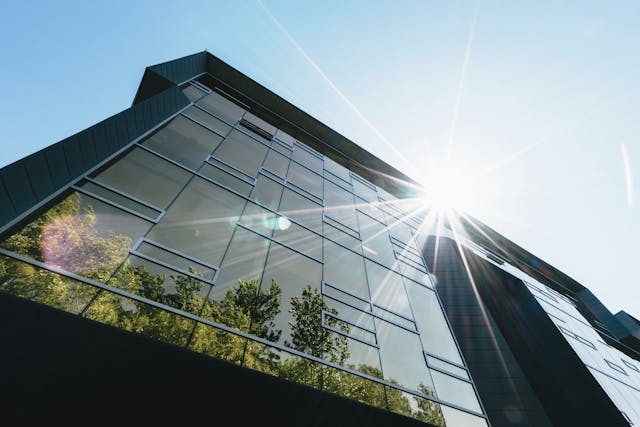
Insulated glass is now featured prominently in landmark sustainable projects. For example, Seattle’s Watershed building incorporates high-performance IGUs into its exterior, enabling it to achieve certifications such as the Living Building Pilot Program. The building’s strategic use of IGUs allows significant energy savings, maintains comfortable interiors year-round, and showcases the capabilities of glass technology in innovative green design.
Beyond large-scale projects, insulated glass is widely adopted in residential and mixed-use construction. Homeowners and developers use IGUs not only for their performance benefits, but also for noise reduction, improved indoor air quality, and daylight optimization. This versatility helps align diverse building projects—such as schools, hospitals, offices, and homes—with certifications like LEED and WELL, which demand rigorous energy performance.
Benefits of Insulated Glass
- Energy Efficiency: IGUs significantly reduce heating and cooling loads, enabling substantial reductions in energy bills while minimizing demand on HVAC systems.
- Thermal Comfort: A stable indoor environment, free from hotspots and drafts commonly found near traditional windows, is maintained throughout the year.
- Noise Reduction: The multi-layered design effectively buffers out urban traffic, construction, and other external noise, resulting in quieter interiors.
- Environmental Impact: By consuming less energy, buildings using insulated glass contribute to lower carbon emissions and reduced stress on power grids.
Additionally, IGUs enhance security and UV protection, further protecting interiors from sun exposure and improving overall occupant well-being. These features make them a cornerstone of building envelopes designed for longevity and resiliency.
Considerations for Implementation
Choosing the right insulated glass products requires careful analysis. Start with climate and building orientation—southern-facing windows in colder regions benefit most from advanced glazing. Meanwhile, areas prone to high noise or with complex façade geometries should prioritize acoustic and custom solutions.
Other critical considerations include ensuring compatibility with structural supports, achieving optimal spacer and sealant performance, and specifying coatings or tints based on local weather and daylighting needs. Consulting experienced professionals and reviewing product certifications can help guarantee the correct match for performance, durability, and aesthetics.
Conclusion
Insulated glass is not only a mainstay in sustainable architecture but is fast becoming a requirement for energy codes and green certification programs. By blending energy efficiency with occupant comfort and climate adaptability, IGUs form the backbone of 21st-century sustainable construction. Advanced options and custom designs allow every project to maximize performance, embodying environmental stewardship for generations to come.