
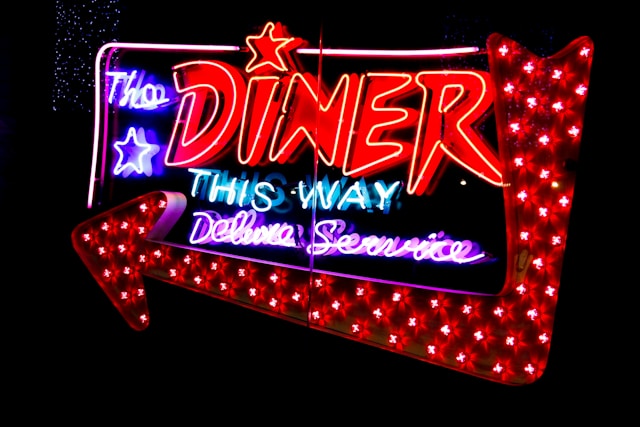
Key Takeaways
- Channel letter signs are a dynamic way to enhance visibility.
- Understanding design elements can make signs more effective.
- These signs contribute significantly to brand identity.
Channel letter signs are more than just a notification of business presence; they are dynamic tools that enhance visibility and express the essence of a brand. Strategically illuminated and dimensionally appealing, these signs are crucial for businesses desiring a memorable street presence. In cities like channel letters Philadelphia PA, it’s common to see these signs captivating customer interest day and night, illustrating their role as both functional and artistic elements in business advertising strategies.
The ability of channel letter signs to boost brand recognition hinges on an intricate understanding of design elements. This informs their capacity to engage audiences and convey a brand’s identity through every curve and line. Our discussion will take you through the spectrum of channel letter signage, covering their origins, modern adaptations, and future trends, ensuring a comprehensive understanding of this significant marketing tool.
Introduction to Channel Letter Signs
Channel letter signs are three-dimensional signs made primarily for businesses aiming to grab the attention of passersby effectively. Typically made of metal or plastic, these signs house lighting elements within each letter, making them particularly effective at night. The importance of these signs cannot be overstated; they not only serve to identify a business’s location but also reflect its brand aesthetic through design and illumination. With technological advancements, LED lighting has become the preferred choice due to its energy efficiency and brighter illumination, further adding to the functionality and appeal of channel letters.
History and Evolution of Channel Lettering
Channel lettering has a storied history that dates back several decades, tracing its roots to basic signage concepts. Initially, sign makers relied on cumbersome materials like wood, which limited design flexibility. Over time, the evolution of materials and technology allowed for the development of signs that were both lightweight and durable. A major turning point was the switch to channel letters made of aluminum, which made it possible to produce them more affordably and with more complex shapes. The future of signage design continues to evolve, as illustrated by this comprehensive history of signage, which provides additional context on how materials and design techniques have adapted to meet modern needs.
Essential Design Elements for Visibility
Ensuring that channel letter signs are visible requires careful consideration of several design elements, including size, font, and style. The choice of font is crucial; it must match the business’s personality while ensuring legibility from a distance. Going bold can enhance visibility, especially if paired with contrasting colors and strategic placement. In a bustling urban environment, incorporating custom elements that reflect the brand’s uniqueness can significantly enhance a business’s visibility in a crowded landscape. Through thoughtful design, businesses can leverage their signage to establish a commanding street presence that draws attention and invites exploration.
Materials and Techniques in Modern Signage
Modern signage boasts advanced materials such as aluminum, acrylic, and polycarbonate, each offering unique benefits in terms of durability and versatility. Aluminum is favored for its rust resistance and flexibility, allowing sign makers to craft intricate and robust designs. Acrylic enhances visual appeal through vivid colors and smooth finishes. Contemporary fabrication techniques, such as CNC routing and laser cutting, enable precise crafting, making even complex and artistic visions achievable. These advancements open endless possibilities for creative sign design, allowing businesses to make a significant impact through their storefronts.
Importance of Color and Lighting
Color plays a central role in channel letter signage as it enhances visibility, communicates the brand’s message, and attracts target audiences. Thoughtful use of color can evoke specific emotions and define style. Lighting, including backlighting and halo effects, plays an integral part in improving a sign’s allure. By effectively combining both color and light, businesses can create compelling visual experiences that captivate and inform, ensuring their signage stands out amidst the glare of a competitive urban landscape.
Installation Best Practices
Installation signifies the final yet important step in bringing a channel letter sign to life, demanding precision and expertise. Proper placement ensures maximum visibility, structural integrity, and longevity. Implementing best practices, such as electrician consultations for safe wiring and adherence to zoning laws, can prevent future issues. Maintaining the sign’s performance and structural integrity during installation requires using safety concerns, which will result in fewer repairs and a longer sign’s useful life.
Real-World Examples and Case Studies
Examining real-world instances of successful channel letter signage allows us to appreciate their effectiveness and versatility. Restaurants, for example, frequently employ brightly lit, oversized letters to lure diners weary from a day’s hustle. Conversely, tech companies often opt for minimalistic styles that reflect innovation and sophistication. Each example underscores the importance of aligning design with brand values, offering lessons in aesthetic appeal and strategic marketing that can be applied to new sign projects.
Future Trends in Sign Design
The future of sign design promises to be as dynamic as the technological advances driving them. Emerging trends include the integration of smart features that enable signage to interact with passersby through digital displays and sensors. These interactive signs can adapt messages based on environmental cues or user engagement, offering real-time updates and immersive experiences. The incorporation of technology is set to revolutionize the signage industry, fostering new ways to engage audiences and establishing an interactive platform for branding and communication.