Recycling metal transcends being a simple waste management act to become a cornerstone of sustainable development strategies. Imagine a world where the need for mining new resources is dramatically reduced. In its place is a thriving industry that fuels local economies, saves energy, and fosters a culture of conservation. Recycling programs promote sustainability and conservation, reducing energy and carbon footprints. Commercial initiatives contribute to eco-conscious societies, while scrap metal recycling is a vital component. With the rise of ecological challenges such as climate change and resource scarcity, recycling metals becomes more than just an eco-friendly gesture; it’s a vital necessity for the planet’s survival. Scrap metal recycling centers like commercial metal recycling Morris County, NJ, play a significant role in responsibly discarding metals, positively impacting local communities and the broader environment. Moreover, these centers help organize collected metals, prepare them for reuse, and ensure that the maximum potential of recycling is realized at every level.
Why Scrap Metal Recycling Matters
Scrap metal recycling holds immense value due to its capacity to reduce the environmental degradation associated with mining and metal production. Traditional mining processes are resource-intensive and often lead to substantial disruption of ecosystems. By recycling metals, such disturbances are greatly minimized. Additionally, the energy required to recycle metal is significantly lower than that needed to produce new metal products from virgin ores. This results in lower carbon emissions, further underscoring recycling’s invaluable role in the global pursuit of sustainability.
How Scrap Metal Recycling Supports the Economy
Metal recycling not only supports environmental efforts but also significantly bolsters economic growth. The industry generates jobs ranging from collection and processing to sales and resource management. In contrast to landfilling, recycling opens up opportunities for economic prosperity at multiple levels. For every 1,000 kilograms of scrap metal recycled, numerous job opportunities are created, fueling economic expansion. This resurgence in job creation has impacts that reverberate through small towns and large cities alike, providing a critical lifeline and nurturing local industries that rely on recycled metals.
Common Types of Scrap Metals
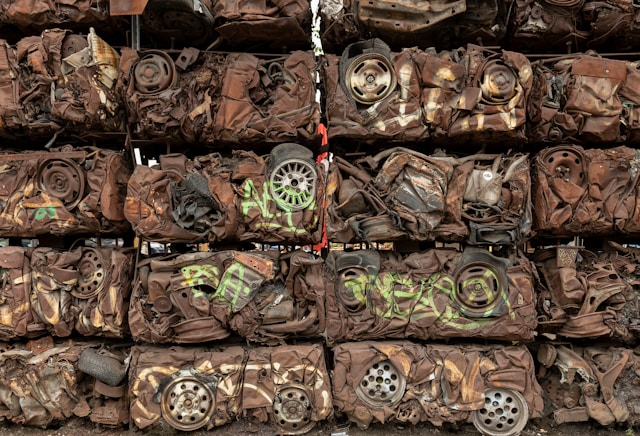
Several metals are commonly identified in recycling, each offering unique attributes and values. Aluminum, for instance, is widely used in beverage cans and automotive components due to its lightweight and resistance to corrosion. Copper, well-regarded for its conductive properties, is heavily utilized in electrical appliances and wiring systems. Steel and brass remain valuable in the construction and plumbing industries, often sourced from demolished buildings or outdated infrastructure. Understanding the inherent traits of these metals facilitates their reuse and ensures they are effectively integrated into the production cycle.
Safety Tips When Handling Scrap Metals
Ensuring safety and hygiene while collecting and handling scrap metal is vital. Always wear safety equipment like goggles and gloves to protect yourself from potential rust exposure and sharp metal edges. Clothing should be durable and tear-resistant, and tools used should be specifically designed for handling metals safely. Awareness of one’s environment and adherence to local safety guidelines dramatically reduce the risk of accidents, promoting a safe and effective recycling journey.