Key Takeaways
- Understand the importance of tree trimming and how it benefits both trees and property.
- Learn various strategies and techniques for efficient pruning and maintenance.
- Discover the tools and resources necessary for safe and successful tree care.
Maintaining the trees in your landscape involves more than just aesthetics—it’s an essential practice for their health and property safety. Tree trimming is not just about keeping your outdoor space visually appealing; it’s a proactive measure to maintain the tree’s health and to ensure that they do not pose a risk to people or property. Understanding when and how to prune your trees is crucial for achieving these outcomes. Whether you are a seasoned arborist or a property owner seeking to keep your landscape smooth and orderly, knowing the basics can make a difference. When the task feels overwhelming, consider a professional tree trimmer who can provide expert techniques, ensuring your trees remain healthy and robust.
Performing regular tree trimming not only enhances the beauty of your trees but also ensures they remain strong against harsh weather conditions. By removing dead or overgrown branches, trees can redirect their resources towards healthier growth, making them more resilient. Oftentimes, this may require tree services. Let’s explore some strategies for effective tree maintenance and delve into when it might be best to seek professional help in this comprehensive guide that sheds light on the art and science of tree trimming.
Introduction to Tree Trimming
Tree trimming is fundamental for sustaining vibrant greenery on your property. It’s not merely a visual enhancement—it’s also pivotal for the trees’ health and longevity. Regular pruning reduces potential hazards and boosts the trees’ structural integrity. By correctly trimming trees, you can avoid the dangers posed by weakened branches that can break and fall, potentially causing damage or injury. The art of tree trimming also involves encouraging the tree’s natural shape, which can vary dramatically between different species. Learning about these nuances ensures safety and promotes healthy growth patterns for trees, leading to a fuller and more vibrant canopy.
Benefits of Regular Tree Pruning
Trimming your trees regularly comes with numerous advantages. It promotes healthy growth by removing dead or dying branches, which can sap energy from the tree trunk. Additionally, it helps prevent potential property damage from falling branches, keeping the surrounding area safe and well-maintained. Beyond safety and aesthetics, regular pruning can also stimulate the production of flowers and fruits, improving both the appearance and productivity of the trees in your yard. As noted by the Arbor Day Foundation, proper pruning can even enhance fruit production in some tree species, proving that strategic cutting doesn’t all set back growth but can encourage it in controlled and beneficial ways.
Choosing the Right Time for Tree Trimming
Selecting the most suitable time for tree pruning depends largely on the species. Many trees benefit from being pruned during the winter months, a period when they are dormant. This timing minimizes stress on the tree, reduces the chances of disease spread through fresh cuts, and promotes robust regrowth once spring arrives. By adhering to the natural cycles of your tree’s growth, you can facilitate maximum recovery and health. While most pruning occurs in late winter, flowering trees might need trimming just after their blooms fade. Each species can have unique requirements, and understanding these will help avoid unintentional damage and stress to the plant.
Popular Tree Trimming Techniques
Understanding different trimming techniques can help you decide what’s best for your trees. Some of the most effective methods include:
- Crown Thinning: This technique involves selectively removing branches to increase light and air penetration within the tree’s canopy. It improves the plant’s photosynthesis efficiency and reduces the weight of heavy branches, thus mitigating the risk of breakage during storms.
- Crown Raising: By removing lower branches, crown raising provides a clear path for pedestrians or vehicles to access under the tree. It’s particularly useful in urban environments and areas with high foot traffic, ensuring safety without hindering growth.
- Crown Reduction: This involves reducing the overall size of the tree’s canopy and is particularly beneficial for preventing contact with utility lines. It helps maintain the tree’s natural shape while ensuring that necessary spaces are kept clear.
Essential Tools for Tree Care
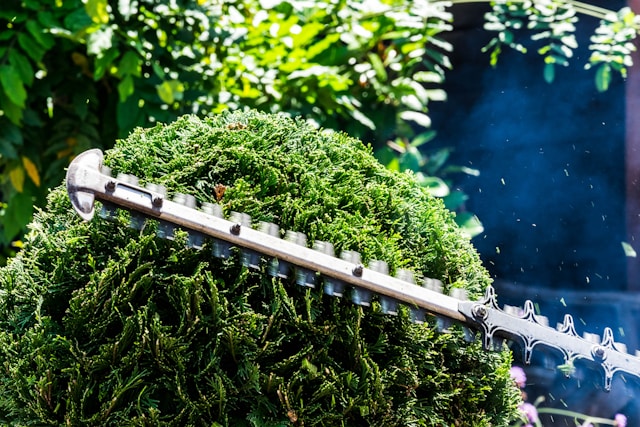
Having the right set of tools is imperative for efficient tree care. Essentials include pruning shears for small branches, loppers for slightly thicker limbs, hand saws for larger cuts, and pole pruners for hard-to-reach areas. Power tools like chainsaws can be useful for larger projects, yet they require a higher level of expertise. Resources such as Gardening Know How offer valuable insights into choosing the best tools for safe and effective pruning, guiding users to make informed decisions tailored to their specific tree species and trimming tasks.
Safety Tips for Tree Maintenance
Safety can’t be overstated when it comes to tree trimming. Ensure personal safety equipment is used at all times. Equip yourself with protective gear such as gloves, helmets, and eye protection to minimize risks from falling debris or tool slips. Ensure the ladder or platform you use is stable and positioned safely. Keep your tools sharp and in good condition, as dull instruments can cause dangerous accidents through unintended slips or excessive force. Never attempt jobs beyond your experience level, especially those requiring climbing or using heavy-duty tools.
The Role of Professional Tree Services
While DIY trimming can be practical for smaller tasks, enlisting professional services is often the safest and most efficient option for major jobs. Professionals bring expertise backed by years of experience and specialized equipment that ensures your trees are pruned correctly and efficiently. They know what to look for in terms of tree health and can spot potential problems that a layperson might overlook. Hiring professionals saves time and provides peace of mind, knowing the job is being handled safely and correctly, allowing you more time to enjoy your landscaped space.
Environmental Impact and Tree Health
Proper tree care contributes significantly to environmental stability. Healthy, well-maintained trees enhance their ability to capture carbon, make efficient use of water, and support urban biodiversity by providing habitats for local flora and fauna. Regular maintenance also prevents disease outbreaks, ensuring individual trees remain healthy and don’t spread infections. Investing in tree health not only supports your immediate environment but also aligns with larger sustainability goals, helping to create a resilient ecosystem that can withstand climatic shifts and urban pressures over time.