
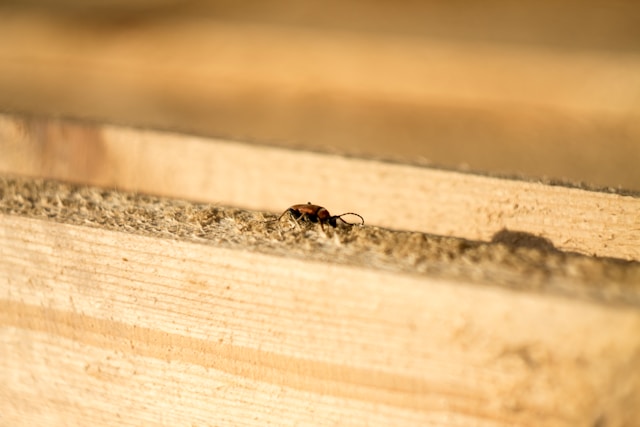
Here are practical tips and tricks for managing common pests at home, covering prevention, identification, and safe treatment methods. Understanding pest behavior helps in effective control, ensuring a pest-free environment.
Understanding the Most Common Household Pests
Keeping a comfortable home means more than decorating and cleaning. It also involves dealing with household pests, ranging from tiny insects to larger rodents. Knowing what you’re up against is the first step in creating a pest-free environment. Every pest, including rats, mice, and cockroaches, has unique habits and habitats that must be recognized to manage the problem effectively. Recognizing the early signs of these pests can save you from extensive damage and health risks in the long run.
For instance, dealing with mosquito infestations can require specialized services. Exploring mosquito control in El Paso, TX, provides tailored treatments for local challenges. Such professional services reduce mosquito populations and offer lasting protection for your home environment. Addressing the source of the problem quickly can prevent the spread of mosquito-borne diseases, making it a crucial step in pest management.
Preventative Measures to Keep Pests at Bay
Prevention is a vital strategy in pest control, acting as the first line of defense against infestations. Taking easy precautions like caulking holes and fissures in doors, windows, and walls helps keep pests out of your house. Weatherstripping and caulking around potential entry points can create a barrier that keeps insects and rodents out. Proper food storage in airtight containers and cleaning your home can deter pests.
Ensuring your kitchen remains clean and disposing of waste regularly removes potential food sources, discouraging bugs from entering your home. Consistently implementing these practices can effectively reduce the chances of an infestation. Performing seasonal maintenance checks and routine inspections are crucial for identifying and addressing entry points and hiding spots for pests. Taking proactive measures can help minimize the likelihood of insect issues. If you need mosquito control near me, proactive steps are vital.
Natural Remedies for Pest Control
For those who prefer eco-friendly solutions, natural remedies offer an effective alternative to chemical pesticides. Ingredients like essential oils, vinegar, and diatomaceous earth can deter various pests. For instance, a solution of vinegar and water is effective against ants, while peppermint oil is believed to ward off mice and other insects. Diatomaceous earth, a fine, powdery substance made from fossilized algae, is highly effective against crawling insects like bedbugs and fleas. These natural solutions offer a non-toxic alternative for homes with kids and pets that is safer for the environment. More information on natural remedies can be found at the Natural Resources Defense Council.
When to Call Professional Help
Although do-it-yourself techniques can be successful, there are times when expert assistance is required. Recurring infestations, structural damage, or potential health risks strongly indicate that specialist intervention is needed. Pest control professionals provide thorough assessments and targeted treatments to eradicate pests effectively. Pest management services can deploy advanced techniques and tools that are beyond the reach of typical household methods.
According to Better Homes & Gardens, consulting experts solve existing problems and offer long-term strategies to prevent future infestations. Experts can pinpoint the underlying reasons for infestations and offer thorough remedies that guarantee the pests won’t return. Investing in professional pest control can ultimately save you time, money, and stress.
Safe Use of Chemical Pesticides
While natural remedies are great, there are times when the use of chemical pesticides becomes unavoidable. Safe application is crucial to prevent harm to pets, children, and the environment. Always adhere to the manufacturer’s instructions and use protective gear like gloves and masks. Ensuring treated areas are well-ventilated and removing any food or water sources from the vicinity can prevent contamination and ensure your home remains safe.
Pesticides must also be stored correctly, kept out of the reach of children and pets, and empty containers disposed of by local laws. When used correctly, chemical pesticides may successfully eradicate pests while posing the fewest threats to the environment and human health.
Managing Outdoor Spaces to Deter Pests
Yards and gardens are extensions of your home and can often be hotspots for pests. Regular lawn maintenance, proper waste disposal, and strategic planting can help keep outdoor pests at bay. For instance, planting herbs like basil, rosemary, and lavender can naturally repel insects due to their strong scents. Removing standing water and keeping the grass trimmed can deter mosquitoes from breeding, making your outdoor space more enjoyable and less pest-prone.
Another helpful tactic is companion planting, which involves growing specific plants next to one another to improve pest management. For example, marigolds can repel nematodes, while garlic can deter aphids. Integrating pest-repellent plants into your garden can create a natural barrier that protects your home from outdoor pests.
Keeping Your Home Pest-Free All Year Round
Consistency is key to maintaining a pest-free home. Regular inspections and a consistent maintenance routine can help prevent pest infestations. Develop habits such as immediately cleaning up spills, proper food storage, and routinely checking for signs of pests. Seasonal inspections can be especially useful in catching potential problems early, ensuring year-round protection.
Creating a regular cleaning and maintenance checklist can help you stay on top of pest control measures. This checklist might include inspecting screens and weatherstripping, checking for leaks, and clearing clutter that could serve as hiding spots for pests. By remaining vigilant and proactive, you can maintain a pest-free home environment.
Integrated Pest Management (IPM) Strategies
Integrated Pest Management (IPM) is a comprehensive approach that combines multiple strategies to manage pest populations effectively. This holistic method emphasizes long-term prevention and environmental health. IPM strategies integrate biological controls, such as introducing natural predators like ladybugs to combat aphids, and cultural methods like crop rotation and habitat modification.
By combining these approaches, IPM offers a sustainable and eco-friendly pest control solution suitable for indoor and outdoor environments. IPM focuses on monitoring and identifying pests accurately, using targeted methods to minimize their impact while preserving the ecological balance. Implementing IPM can lead to more effective pest management, reducing reliance on chemical pesticides and promoting a healthier home and garden.