
Key Takeaways
- Learn about modern land-clearing methods that prioritize environmental sustainability.
- Discover the benefits and applications of various innovative techniques.
- Understand the importance of ecological balance during land development.
Table of Contents
- 1. Introduction to Land Clearing
- 2. Traditional Land Clearing Methods
- 3. The Need for Sustainable Practices
- 4. Innovative Land Clearing Techniques
- 5. Benefits of Sustainable Land Clearing
- 6. Environmental and Economic Impact
- 7. Case Studies and Real-world Examples
- 8. Conclusion and Future Prospects
Introduction to Land Clearing
Land clearing is essential for agriculture, urban development, and infrastructure projects. While it serves a critical purpose, traditional land-clearing methods have often led to significant environmental degradation. This article explores innovative techniques that aim for sustainability while meeting development needs.
It’s essential to adopt land-clearing methods that balance development and environmental protection. These methods, from selective tree removal to controlled clearing techniques, help strike this balance. Developers, city planners, and agricultural experts increasingly recognize the need to incorporate sustainable land-clearing methods into their projects, emphasizing the importance of maintaining ecological balance.
Traditional Land Clearing Methods
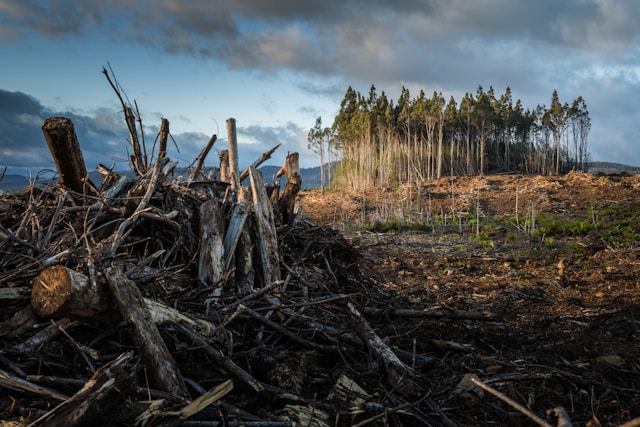
Traditionally, land clearing has involved mechanical bulldozing, controlled burning, and manual labor. These methods were effective in quickly preparing land for development but often resulted in severe soil erosion, loss of native vegetation, and destruction of habitats. The significant impact on biodiversity and soil health has prompted a pressing need for more sustainable approaches to land clearing. For instance, using advanced methods for brush clearing Birmingham AL, ensures that vegetation is removed effectively without harming the environment.
Bulldozing
Bulldozing involves using heavy machinery to clear large areas of land quickly and efficiently. While this method can be highly effective, it can also be disastrous for ecosystems, causing significant soil disruption and the loss of animal habitats. The long-term ecological damage often outweighs the short-term benefits of rapid land clearing.
Controlled Burning
Controlled burning, or slash-and-burn, is a method of clearing vegetation by setting controlled fires. While it can effectively clear land, it releases large amounts of carbon dioxide, contributing to greenhouse gas emissions and climate change. Additionally, controlled burning destroys natural habitats, significantly impacting local wildlife.
The Need for Sustainable Practices
As awareness of environmental issues grows, the emphasis on sustainable practices has never been greater. Sustainable land clearing aims to minimize the negative environmental impact while still fulfilling the essential land-use requirements. This includes preserving natural habitats, minimizing soil disruption, and promoting biodiversity.
Sustainable land-clearing practices involve a holistic approach that considers the long-term health of the environment. These practices focus on maintaining the integrity of ecosystems, protecting endangered species, and ensuring that the land can recover and support diverse plant and animal life. As such, sustainable land clearing is critical for environmental conservation and successful land development.
Innovative Land Clearing Techniques
Modern technology has introduced various sustainable land-clearing methods. Techniques such as mulching, selective clearing, and the use of biochemicals are becoming more prevalent. These methods reduce environmental impact and promote the health of the cleared land. Mulching, for example, recycles vegetation into nutrient-rich material for the soil, promoting healthy regrowth and reducing waste.
Mulching
Mulching involves grinding up vegetation and spreading it to decompose naturally. This method enriches the soil with organic matter, preventing erosion and promoting healthy plant growth. Mulching also helps retain soil moisture and suppresses weed growth, making it an effective and environmentally friendly land-clearing technique.
Selective Clearing
Selective clearing focuses on removing specific plants while preserving valuable vegetation. This technique minimizes the impact on the ecosystem, maintaining biodiversity levels and protecting essential habitats. Selective clearing is particularly beneficial in areas with sensitive ecosystems or where conservation efforts are a priority.
Benefits of Sustainable Land Clearing
Choosing sustainable methods for land clearing offers multiple benefits. It helps conserve biodiversity, improve soil health, and reduce carbon emissions. Also, selective clearing ensures that only necessary vegetation is removed, leaving the surrounding ecosystem largely intact. Sustainable land-clearing practices contribute to overall environmental health, supporting the long-term viability of land development projects.
Biodiversity Conservation
Sustainable land-clearing practices protect various species and their habitats, helping to maintain ecological balance. By preserving native vegetation and minimizing habitat disruption, these methods support the survival and growth of diverse plant and animal populations. Biodiversity conservation is essential for the resilience and stability of ecosystems.
Soil Health
Healthy soil is crucial for plant growth and preventing erosion. Sustainable land-clearing methods, such as mulching, preserve soil health by adding organic matter and nutrients back into the soil. This enhances soil structure, fertility, and moisture retention, creating a robust foundation for future plant and agricultural development.
Environmental and Economic Impact
While sustainable land-clearing methods may initially seem costly, their long-term environmental benefits outweigh the expense. Implementing these methods leads to healthier ecosystems, which can reduce restoration and remediation costs. Furthermore, sustainable practices align with global environmental standards, improving a project’s compliance record and potentially attracting more funding and support from environmentally conscious investors.
Cost-Effectiveness
Projects that use sustainable techniques may have higher initial costs but benefit from reduced long-term maintenance and restoration expenses. By preserving soil health, biodiversity, and ecosystem services, sustainable land clearing reduces the need for costly interventions and repairs in the future, making it a financially prudent choice for land development projects.
Environmental Standards
Meeting environmental standards not only helps in preserving nature but also ensures regulatory compliance. Adhering to sustainable practices can be crucial for project approval and securing permits. Projects that meet or exceed environmental standards may also receive recognition and certification from ecological organizations, enhancing their reputation and credibility.
Case Studies and Real-World Examples
A recent example of sustainable land clearing can be found in the Amazon Rainforest, where controlled mechanized clearing and mulching are employed to reduce the impact of deforestation. These methods help preserve critical habitats and support reforestation efforts. Similarly, cities like New York have adopted green-clearing methods in urban areas in park development projects. By using sustainable techniques, these cities can create green spaces that enhance urban environments while protecting natural ecosystems.
Conclusion and Future Prospects
Innovative land-clearing techniques offer a viable solution to the challenges of environmental sustainability. As technology and awareness evolve, these methods will likely become standard practices, revolutionizing how we approach land development. By prioritizing sustainability, we can achieve a balanced approach to land use that supports both environmental health and economic growth. The future of land clearing lies in innovative, sustainable practices that benefit all stakeholders.