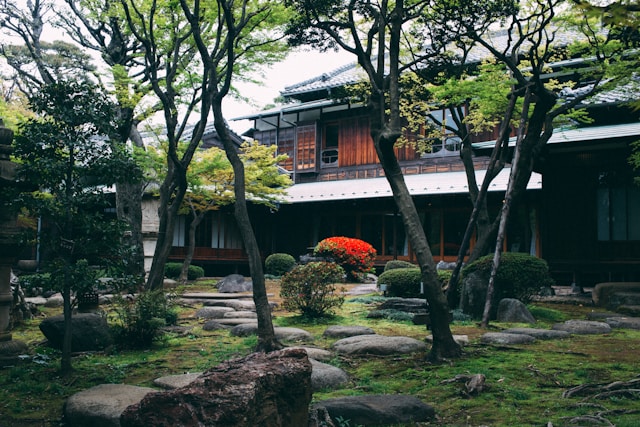
Enhancing outdoor spaces involves a blend of aesthetics and functionality. Incorporating sustainable elements like native plants and permeable walkways promotes eco-friendliness, while modern features such as ambient lighting and minimalist hardscaping create a sleek, contemporary look. Multi-purpose zones, including fire pits and outdoor kitchens, maximize usability. Thoughtful design ensures seamless indoor-outdoor transitions, increasing comfort and property value. Strategic landscaping transforms any yard into a stylish, inviting retreat for relaxation and entertainment.
Introduction
From straightforward gardening, landscaping has become a crucial home design component. It shapes outdoor environments to reflect personal style while enhancing property value and functionality. Modern trends in landscaping emphasize the integration of technology, sustainability, and aesthetics, offering homeowners a chance to turn their outdoor areas into personal havens. Whether creating vibrant gardens or multifaceted entertainment spaces, innovative landscaping services enable property owners to design places that reflect their environmental ideals and way of life.
Transformative landscaping involves understanding contemporary trends and adopting new techniques to redefine landscapes for functional and aesthetic purposes while addressing ecological concerns. Key ideas are paving the way for modern outdoor spaces.
The Rise of Functional Outdoor Spaces
As homeowners seek to maximize their properties, outdoor living has surged in popularity. Outdoor spaces now function as extensions of indoor areas, blending nature with modern conveniences for relaxation and entertainment. Functional landscaping focuses on aesthetics and usability, incorporating features like outdoor kitchens, fire pits, and comfortable seating. With professional landscaping services, these designs create inviting environments for gatherings and solitude alike—enhancing both personal enjoyment and long-term property value.
Sustainable Landscaping Practices
As environmental awareness increases, sustainable landscaping practices are becoming more prevalent. Adopting eco-friendly methods like installing rain gardens and practicing xeriscaping helps reduce water usage while maintaining lush, vibrant gardens. Green infrastructure initiatives support biodiversity and create habitats that benefit local flora and fauna, all while reducing the environmental impact of landscape maintenance.
Xeriscaping is a sustainable gardening approach that minimizes water consumption and time spent on upkeep by designing gardens with drought-resistant plants, composting, and organic fertilizers. This promotes healthier plant growth and soil quality.
Incorporating Technology into Landscaping
The integration of technology into landscaping offers modern solutions for efficient garden management. From automated irrigation systems that ensure optimal water use to bright lighting that enhances aesthetic appeal, technology simplifies the maintenance of outdoor spaces while also delivering environmentally conscious benefits.
Smart gardening apps provide detailed insights into plant care and seasonal changes, assisting gardeners in making informed decisions about planting and maintenance schedules. Automated irrigation systems with sensors can adjust watering schedules based on weather conditions, thus avoiding water wastage. This blend of technology and nature results in more manageable landscapes that align with sustainable living goals.
Designing with Native Plants
Utilizing native plants in landscape design offers the dual advantage of reducing maintenance requirements and fostering environmental health. Native species resist pests and diseases because they naturally adapt to the local climate. By choosing plants that thrive in their natural habitat, gardeners can minimize the need for chemical interventions, promoting ecological balance and biodiversity.
In addition to environmental benefits, native plants offer aesthetic diversity, allowing for creatively tailored garden designs that reflect regional characteristics. This approach ensures gardens remain vibrant throughout the seasons and contribute to local ecosystems, supporting beneficial insects and wildlife year-round. The strategic use of native flora exemplifies a harmonious balance between design and nature.
Innovative Hardscaping Elements
Hardscaping components such as pathways, patios, and retaining walls are critical in structuring outdoor spaces. The thoughtful use of materials like natural stone or sustainable products can create visually seamless transitions between landscaped areas and architectural elements of a property.
Hardscaping elements like wooden decks, stone paths, and brick pavers enhance garden aesthetics and provide functional spaces for seating and entertainment. These features improve visual appeal and increase the usability of outdoor areas for relaxation and recreation.
Water Features and Their Impact
Water features add an element of tranquility and sophistication to any landscape, creating soothing environments that appeal to the senses. A simple fountain can transform a garden corner into a relaxing retreat, while more elaborate setups like ponds and waterfalls can become focal points around which entire gardens are designed. The presence of water is known to reduce stress and foster a sense of calm, enhancing the psychological benefits of spending time in nature.
Moreover, water features can play an ecological role by supporting local wildlife. These water habitats attract insects, birds, and other tiny animals, contributing to the increase of biodiversity in the area. By incorporating varied water designs, landscapers can offer aesthetic sophistication while contributing to environmental well-being. For further inspiration, consider exploring various water feature designs that cater to different tastes and space constraints.
Maximizing Small Outdoor Spaces
Innovative design has special potential and challenges in small outdoor settings. Despite their limited size, they can be transformed into functional and appealing areas through strategic planning. Vertical gardens, for example, utilize wall space to grow plants, adding greenery without taking up valuable floor space. Similarly, space-saving furniture and multifunctional elements ensure that even the tiniest garden offers maximum utility.
Small spaces require innovative layouts and efficient space utilization. Solutions like layering plants, using mirrored surfaces, and incorporating foldable furniture can create illusions of space. With careful design, small outdoor spaces can be just as useful and hospitable as bigger ones.
Conclusion
In redefining outdoor spaces, homeowners can merge personal style with environmental stewardship. By embracing contemporary trends emphasizing sustainability, functionality, and aesthetic appeal, landscapes can become dynamic, engaging extensions of individual living spaces. Whether through sustainable practices, technological innovations, or artfully crafted designs, the modern landscape is a testament to the endless possibilities of creativity and care in transforming our outdoor environments.