

Key Takeaways
- Research and compare different car models to find the best fit for your needs.
- Secure pre-approved financing to strengthen your negotiating position.
- Time your purchase strategically to take advantage of dealer incentives.
- Utilize online resources to compare prices and features.
- Consider both new and certified pre-owned vehicles to maximize value.
Table of Contents
- Research and Compare Car Models
- Secure Pre-Approved Financing
- Time Your Purchase Strategically
- Utilize Online Resources
- Consider Certified Pre-Owned Vehicles
- Negotiate Effectively
- Understand Total Ownership Costs
- Finalize the Deal
Purchasing a new vehicle is a significant step, whether you are upgrading your current ride or buying your first car. Making educated choices at each stage of the process can help you save money, avoid common pitfalls, and wind up with a vehicle that truly fits your lifestyle. Before you set foot in a dealership, empower yourself with research and know-how to make the most of your investment. Learn more about finding your next new car.
Cutting through the noise in the automotive market can seem daunting. Considering the vast range of models, financing options, and potential discounts, it pays dividends to approach the process with a clear plan. Many buyers get more value and greater peace of mind by using a mix of digital tools, thoughtful timing, and confident negotiation to maximize their purchasing power.
As car prices fluctuate and dealership incentives change over time, there is no single best way to buy. Success comes from being thorough, strategic, and patient during your search. Whether you select a brand-new model or a certified pre-owned vehicle, an innovative approach will help ensure satisfaction and lasting value.
Begin with a deep dive into your transportation needs, and then expand your search with the numerous comparison resources available today. By breaking down your options and understanding your financing, you will bring clarity to a process that can often feel overwhelming.
Research and Compare Car Models
Start by taking a close look at your daily driving habits and preferences. Consider whether you prioritize fuel efficiency, safety, technology features, cargo space, or ride comfort. Identifying your must-haves will help narrow the field and focus your research. Trusted car review sites, like Consumer Reports, provide expert ratings, in-depth comparisons, and feedback from actual owners. Explore reliability data, average resale values, and the long-term costs associated with each model.
Factor in changing automotive trends, especially in fuel efficiency and alternative powertrains. Electric and hybrid vehicles have become more affordable and practical for many buyers, with lower running costs and strong resale values. If you are considering a family vehicle or frequent commutes, weigh your choices carefully to ensure both comfort and cost-effectiveness.
Secure Pre-Approved Financing
Obtaining a loan pre-approval before visiting the dealership improves your bargaining power and gives you a clear budgetary boundary. Reach out to your bank or a local credit union to see the best rates and terms you qualify for. This preparation keeps you from spending beyond your means and helps you quickly spot dealership offers that may not be as competitive. With pre-approval, you have the confidence to negotiate knowing exactly what rate and monthly payment fit your finances.
Before signing any agreement, always compare the dealership’s financing arrangements with your pre-approved rate. Sometimes dealers have access to manufacturer incentives or rebates that can make their offers unexpectedly attractive. Do the math carefully, and never feel rushed to accept terms that do not meet your expectations.
Time Your Purchase Strategically
The timing of your car purchase can influence the deal you get. Many experts suggest shopping during the last three months of the year when dealers are clearing out older models to make way for new inventory. Similarly, the last week of the month or quarter is often ideal, as sales staff are working hard to meet quotas. Being patient and flexible with your timing can lead to extra discounts, perks, or added value when you close the deal.
Keep an eye on seasonal sales events, such as holiday weekends or manufacturer-sponsored incentives. These are standard times for dealerships to roll out limited-time offers that may not be advertised in advance. Stay connected with local dealerships and sign up for alerts so you never miss a potential savings opportunity.
Utilize Online Resources
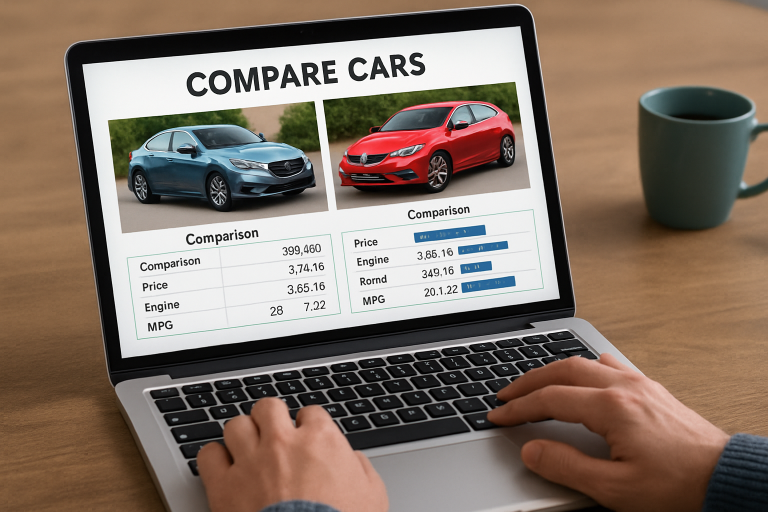
Harness the power of automotive websites, pricing tools, and dealership inventory platforms to conduct thorough research without leaving home. Sites like Edmunds provide side-by-side comparisons, average transaction prices in your region, and access to user-generated ratings. Many dealerships also have internet sales departments that offer price quotes, virtual tours, and online chat support to streamline the process. By using online resources, you will save time, gather more information, and enter negotiations from a stronger position.
Consider Certified Pre-Owned Vehicles
Certified pre-owned (CPO) cars present a unique opportunity for buyers who want a lot of value without the steep depreciation of a brand-new vehicle. CPO cars have undergone thorough inspections and are backed by manufacturer warranties, which adds a crucial layer of buyer protection. These vehicles are often less than five years old and have low mileage, making them feel almost new at a fraction of the price. If you place a premium on reliability and coverage, but want to avoid the instant value drop that impacts new cars, consider the CPO route as part of your search.
Negotiate Effectively
Step into negotiations with confidence by knowing your numbers. Research price ranges for your chosen models and be ready to bring up figures from your pre-approved financing or competitive dealer offers. If negotiations stall, be willing to walk away. Many dealerships have some flexibility, and showing that you are prepared to explore other options might reopen conversations in your favor. Stay professional, ask for all offers in writing, and remember that you can always take time to review the terms at home before agreeing.
Understand Total Ownership Costs
The price you pay up front is just one piece of the puzzle. Look beyond the sticker price to evaluate the actual cost of owning your new vehicle. Consider factors like gas mileage, typical maintenance requirements, insurance rates, and projected depreciation over time. Some cars have higher maintenance or parts costs but lower fuel expenses, so add up these recurring charges to fully understand long-term affordability. Resources such as Kelley Blue Book can help calculate ownership costs and resale value for different models.
Finalize the Deal
Once negotiations are settled, review every document before signing. Make sure all discounts, incentives, and negotiated terms are clearly listed on the paperwork. Be wary of last-minute add-ons, extended warranties, or extra fees that might be unnecessary or overpriced. If you are unsure about any charge, ask for clarification in writing. Taking a methodical approach at this final stage ensures there are no surprises down the road and paves the way for an enjoyable ownership experience.
Following these steps equips you to make the best choice when shopping for a new vehicle. By staying informed, planning, and using today’s digital resources to your advantage, you can secure a car that matches your budget, needs, and long-term goals.