Key Takeaways
- Fine art photography brings visual personality and energy to interior spaces.
- Thoughtful selection of photographic art considers style, color, and proportion.
- Correct placement and lighting enhance the ambiance and longevity of photographic artwork.
- Fine art photography aligns with current interior design trends, bringing timeless appeal to any room.
The Transformative Power of Fine Art Photography in Interiors
Fine art photography possesses a unique capacity to transform ordinary rooms into captivating environments. Unlike standard prints or mass-produced decor, each piece of photographic art offers a window into a world, mood, or story, enabling homeowners and designers to make a distinct statement about their values and aesthetic sensibilities. Integrating carefully selected photographic images into a space can elevate its atmosphere, spark conversation, and foster a sense of connection with both natural and human-made wonders. For those seeking inspiration, working with an acclaimed photographer Key West can help you discover art that not only complements your individuality but also resonates with the soul of your interior.
Personalized photographic artwork serves not merely as a decorative accent but as a focal point imbued with meaning and depth. Whether you’re designing a modern living room or revitalizing a tranquil bedroom retreat, fine art photography can bridge the aesthetic gap between minimalism and maximalism, infusing warmth or drama as desired. By curating a selection of images that reflect your personality and aspirations, you transform your home into an expressive and inspiring environment that always feels inviting.
In addition to its emotional impact, fine art photography offers a high level of versatility. From sweeping landscapes and city scenes to abstract close-ups, the medium adapts to a diverse range of design schemes. Properly displayed, it creates balance and visual rhythm, either standing solo or as part of a gallery wall that showcases your evolving tastes and experiences.
Contemporary interiors often require a refined approach—striking the perfect harmony between form and function. Selecting the right photographic pieces and positioning them thoughtfully ensures your interiors feel curated, cohesive, and artistically satisfying.
For an in-depth look at how visual arts enhance psychological well-being indoors, see this overview from Architectural Digest.
Selecting the Right Photographic Art for Your Space
When pursuing the perfect photographic artwork, several factors come into play to guarantee your selection achieves maximum visual harmony:
- Style: Art should complement your interior narrative. If your space features clean lines and modern decor, seek out minimalist photography with bold compositions or monochromatic tones. Conversely, eclectic or traditional rooms benefit from richer palettes and detailed imagery.
- Color Palette: Choose photographic art whose dominant hues either match or thoughtfully contrast your walls, textiles, and furniture. This fosters a continuous visual flow, preventing the artwork from feeling disjointed.
- Scale and Proportion: Grand-format photographs can serve as a dramatic focal point, especially in open-plan layouts or above feature walls. Meanwhile, more minor works invite creative groupings—think gallery arrangements—adding dynamism without overwhelming the area.
Placement and Lighting: Showcasing Your Art
The story your photography tells is amplified—and protected—by swisedisplay choices:
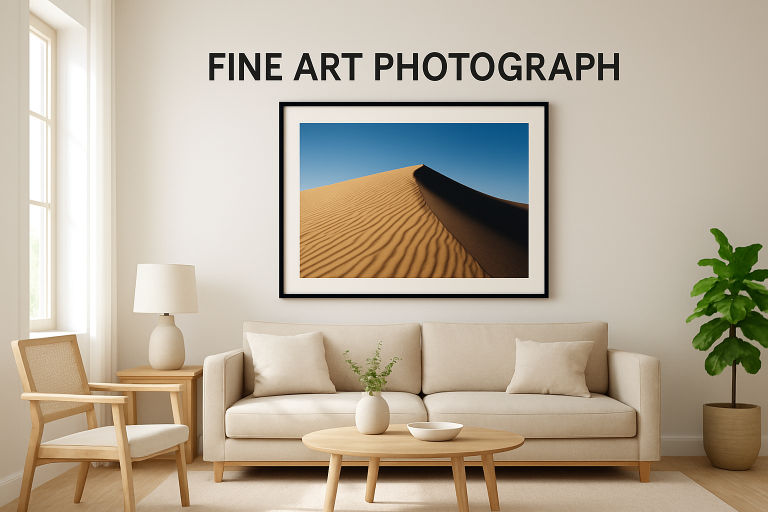
- Eye Level Display: The center of the photo should align with the viewer’s eye level for the most engaging visual experience. Typical recommendations suggest hanging most art so its midpoint is 57 to 60 inches above the floor.
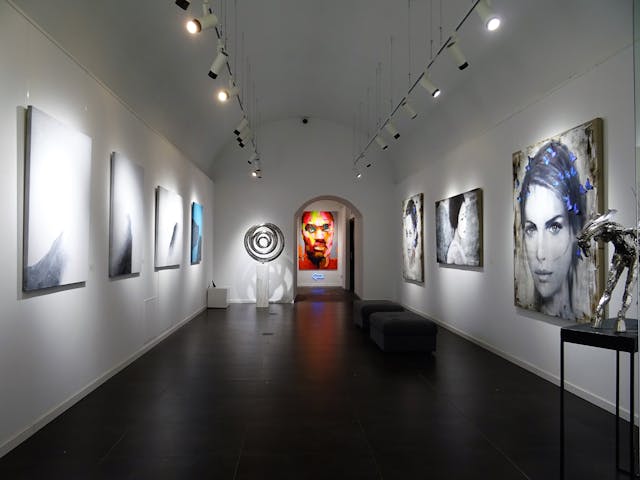
- Accent Lighting: Dedicated gallery or picture lighting, including track and wall-mounted options, will highlight colors and details, especially in the evening or darker corners.
- Avoid Direct Sunlight: Natural light is beautiful, but prolonged exposure can cause fading in photographs. Position works in indirect light, and consider UV-protected glass for framing.
Incorporating Photography into Current Design Trends
- Minimalist Spaces: A single striking photograph can serve as a focal point, lending intrigue and character while maintaining the understated elegance that defines minimalism.
- Eclectic Interiors: Mixing styles, genres, or color schemes enables your collection to become an evolving narrative. This approach works exceptionally well in homes filled with travel mementos or vintage finds.
- Biophilic Design: Photographs depicting nature—such as seascapes, forests, flora, or wildlife—strengthen the bond between indoor and outdoor environments, encouraging feelings of calm and well-being. For more information on the benefits of biophilic design, visit The New York Times’ home and garden section.
Real-Life Examples of Photographic Integration
Leading interior designers often turn to bespoke photographic collections to bring their visions to life. A notable example is Dina Marie, a Florida designer who launched a business centered on custom photographic art for both commercial and residential projects—from hospitals seeking soothing imagery to luxury hotels desiring memorable focal points and private homes aiming for personal expression. Dina’s insight—recognizing a gap between generic art offerings and the transformative potential of meaningful photography—demonstrates how tailored selections can define and enrich a space’s atmosphere. Read more about her story and approach here.
Maintaining and Preserving Your Photographic Art
Investing in fine art photography calls for deliberate care to uphold its beauty for years to come:
- Proper Framing: High-quality, archival materials safeguard against deterioration, while professional framing keeps the piece flat and protected from dust or insects.
- Climate Control: Stable, moderate humidity and temperature shield fragile prints from warping, mold, or color shift—critical for works displayed in sunrooms or humid climates.
- Regular Cleaning: Gentle dusting of frames and glass maintains clarity. Avoid harsh chemicals or direct contact with photographic surfaces, which may leave residues or scratches over time.
Conclusion
Fine art photography offers limitless opportunities to infuse interiors with beauty, personality, and meaning. By selecting and showcasing photographic work that resonates with you and caring for it, you create a living environment that is not only visually stunning but also personally significant. Embrace the potential of fine art photography—your home’s next masterpiece may already be waiting for you.