
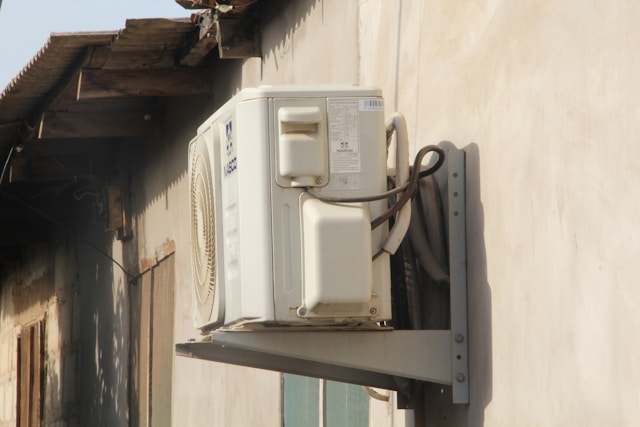
A Homeowner’s Guide to Heating and Air Conditioning: What You Need to Know for Comfort and Efficiency
Table of Contents
- Introduction to Home Heating and Air Conditioning
- Understanding HVAC Components
- Choosing the Right Heating System
- Energy Efficiency Tips
- Regular Maintenance and Inspection
- The Importance of Professional Services
- Conclusion: Ensuring Home Comfort and Efficiency
Introduction to Home Heating and Air Conditioning
Keeping your home comfortable year-round requires understanding the basics of heating and air conditioning systems. Proper maintenance and intelligent choices can significantly affect energy consumption and comfort levels. If you’re looking to optimize your home’s heating system, it’s essential to select the right type and ensure it’s well-maintained. A well-functioning HVAC system provides comfort and helps maintain healthy indoor air quality by circulating clean air.
Many homeowners need to pay more attention to the importance of regular HVAC maintenance, resulting in higher energy bills and subpar performance. Comprehending the various parts and their collaboration can enable you to make knowledgeable choices for your household. Having a thorough guide can assist in making the upgrade of an older system or maintenance of a new one easier.
Understanding HVAC Components
Familiarizing yourself with your HVAC system’s critical components, including heating and cooling elements, helps maintain its efficiency. For instance, regular checks on your air conditioning unit and the associated ducts can prevent issues and ensure optimal performance. Understanding how each part functions, from the thermostat to the condenser, allows you to address potential problems before they impact your comfort and energy bills. Key elements include thermostats, air filters, and ductwork:
- Thermostats: These are the control centers of your HVAC system. Modern, programmable thermostats offer better control over energy use. They allow you to set temperatures for different times of the day, optimizing energy consumption when you’re away or asleep.
- Air Filters: Clogged filters may limit air circulation, causing the system to exert more effort and use additional energy. Additionally, they are vital in preserving the quality of the air indoors by capturing dust, pollen, and other contaminants.
- Ductwork: Properly sealed and insulated ducts are essential for adequate air distribution. Faulty ducts can waste as much as 30% of the air you are spending money to heat or cool, causing your system to exert more effort to keep the desired temperature.
Proper upkeep of these parts may help maintain the efficient operation of your HVAC system. Inspecting and cleaning ducts, replacing filters, and ensuring thermostats function correctly are simple steps that can prevent more significant issues.
Choosing the Right Heating System
When selecting a heating system, consider energy efficiency, cost, and suitability for your home. Options include furnaces, heat pumps, and boilers. Each option has its advantages and fits different types of home environments.
Furnaces are popular because they can heat large spaces quickly. They are often gas-powered and can be energy-efficient, especially modern high-efficiency models. Heat pumps are adaptable since they can serve heating and cooling purposes. They work by transferring heat rather than generating it, making them an energy-efficient option. While often more expensive, boilers provide extensive and even heating, which is ideal for colder climates. You can check out the Department of Energy’s guidelines on different heating systems for more detailed information.
Making the correct choice involves evaluating your home’s needs, including size, insulation levels, and local climate. Consulting with an HVAC professional can help you navigate these options and choose the system that best meets your needs without overspending on energy costs.
Energy Efficiency Tips
Boosting your HVAC system’s efficiency can save money and reduce your carbon footprint through a few simple steps:
- Utilize a programmable thermostat to control temperatures according to your routine, minimizing wasteful energy consumption.
- Ensure adequate insulation in walls, attics, and floors to keep a consistent indoor temperature and reduce the heating and cooling required.
- Replace air filters regularly and keep vents unobstructed to improve airflow and system efficiency.
- Sealing and insulating ductwork to prevent leakage and improve efficiency. If your ducts leak, your heating and cooling systems may not work efficiently, leading to higher energy costs.
Implementing these tips makes your home more energy-efficient and extends the lifespan of your HVAC system by reducing the strain on its components. Minor changes and regular maintenance can accumulate significant savings over time.
Regular Maintenance and Inspection
Frequent maintenance is essential to ensure your HVAC system operates smoothly and effectively. Key tasks include:
- Replacing air filters every 1 to 3 months is necessary to ensure proper airflow and good air quality.
- Examining and clearing the outdoor unit for any debris that may impede its performance.
- Scheduling annual professional inspections to check for leaks, electrical issues, and refrigerant levels.
Consistent maintenance helps detect potential problems early, extends the lifespan of your system, and often includes a thorough service checklist.
The Importance of Professional Services
Though DIY maintenance can help, some tasks require professional expertise. Hiring a licensed HVAC technician ensures proper and safe repair and maintenance tasks. Professional services include:
- Comprehensive analysis and purging of the system. Professionals have the right tools and knowledge to conduct detailed inspections, identifying and fixing any issues missed during do-it-yourself assessments.
- Sealant applications for ducts. Proper sealing of ducts ensures efficient air distribution and prevents energy loss, which can be challenging without professional equipment.
- Complex repairs that may involve electrical components or refrigerant handling. These tasks require specialized knowledge and tools; attempting them with proper training can be safe.
Professional assistance ensures that your system is in top condition and helps extend its lifespan. Regular professional maintenance can improve your HVAC system’s efficiency, safety, and overall performance, giving you peace of mind and long-term savings.
Conclusion: Ensuring Home Comfort and Efficiency
Understanding your heating and air conditioning system, staying up to date with maintenance, and opting for energy-efficient options help create a cozy and economical home environment. Keeping up with advancements and recommendations can help you stay informed and make the best choices for your home. Your home’s comfort and efficiency depend on making well-informed choices and providing regular maintenance, resulting in a more pleasant living space and possible energy cost reductions.